Our Services
Comprehensive Heating & Air Services in South Jersey
At Essential Heating and Air, we provide reliable heating repair, professional heating installation, and fast emergency HVAC service throughout South Jersey, including Burlington County, Camden County, and Gloucester County.
Essential Heating & Air, LLC., is a full service heating and air conditioning company that offers installation and repair of most brands of equipment from residential to commercial. We work closely with you to customize the installation of new central air conditioning and heating systems to fit the needs and comfort of your home or business.
Use the Buttons Below to Learn More About Each Service
Air Conditioning
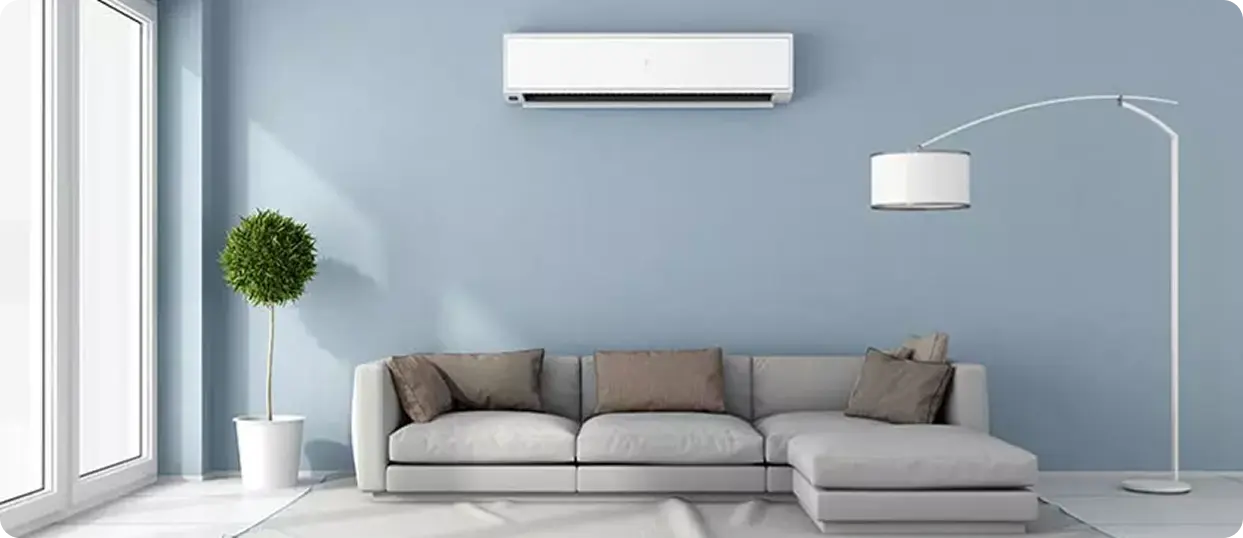
When the hot summer temperatures arrive, you count on your air conditioner to keep you cool and Essential Heating & Air is a heating and cooling company here to help ensure that it does. We offer our services throughout most of Burlington, Camden and Gloucester counties and can install a replacement central air conditioner or new ductless air conditioner. We also provide maintenance and repair services for your existing system.
Essential Heating & Air provides in-home AC installation consultations at no charge and without obligation. We can explore all of the options available to you and help you make the best choice for you and your home. Call us today at 856-787-0007 or contact us online with any questions and to set up your appointment.
What is a Ductless System?
In case you don’t know, a ductless or mini split air conditioning system is a lot like a central air conditioner system. Most mini splits also prodide heat. They both consist of two units: a condenser that sits outside the home, and an evaporator/air handler that sits inside the home. Refrigerant passes between the two units, carrying the heat from indoors to the outdoor unit where it is released.
With a central air system, however, the cool air is blown through the air handler or furnace into the your ductwork, where it is carried into the rest of the house. A ductless system uses slim line-set and cable between the condenser and a unit on your wall, and no ductwork is involved.
Here are some questions we ask our customers to help them decide which type is the best match for their home and needs.
Do You Have Existing Ductwork?
This is the main decision maker for most people. If you have ductwork in your home already, it will be more cost effective to stay with a central system.
If you have no ductwork, a ductless system should be considered. There will also be much less construction mess: all you need is a 3-inch hole in the wall to run the line-set and cable through. Ductless systems are also great for homes with new additions that aren’t connected to the ductwork that runs through the rest of the house.
Will You Mind Looking at Your Air Conditioner?
When you’re indoors, a central AC is invisible. A ductless system, however, requires a slim unit on the wall or along the floor. Other types can also mount in the ceiling. While the manufacturers go to a lot of trouble to make the boxes as stylish as possible, there is still something to see.
Do You Have Existing Ductwork?
This is the main decision maker for most people. If you have ductwork in your home already, it will be more cost effective to stay with a central system.
If you have no ductwork, a ductless system should be considered. There will also be much less construction mess: all you need is a 3-inch hole in the wall to run the line-set and cable through. Ductless systems are also great for homes with new additions that aren’t connected to the ductwork that runs through the rest of the house.
Are You Sensitive to Noise?
Generally speaking, ductless systems are very quiet. If noise levels matter to you, be sure to ask your technician for the noise level (in decibels) for any systems you’re considering.
How Important is Energy Efficiency to You?
Now this is a bit of a loaded question, because with central air the quality of the ductwork and the installation job play a huge role in helping a central system reach its efficiency potential.
For example, if the ductwork wasn’t designed well (more twists and turns than needed) or if it isn’t sealed properly and air is leaking, the efficiency of a central system drops. In terms of installation quality, the technician has to do things like ensure the right level of refrigerant, system equipment matches, proper blower settings, etc.
All that being said, many ductless systems have a higher potential energy efficiency (currently up to 42 SEER) than the best central systems.
Do You Need Individual Zoning Control?
Do you have some areas of your home that get much warmer or cooler than others or different family members like different temperatures? With ductless systems, each zone has its own independed temperture control.
Do You Need Supplemental Heating as Well?
Most ductless systems aren’t just an air conditioner, they are what’s called a ‘heat pump’. That means when it gets cold outside, many can provide heat when temperatures are -5 degrees outside.
More questions? We’re Here for You!
While this just a general guide, it’s always best to talk to a heating and cooling professional to make sure you’re getting all the facts as they relate to your exact home.
Whichever system you’re leaning towards, we’ll make sure you get one that’s matched to your needs and will get you the level of comfort control you are looking for.
Heating
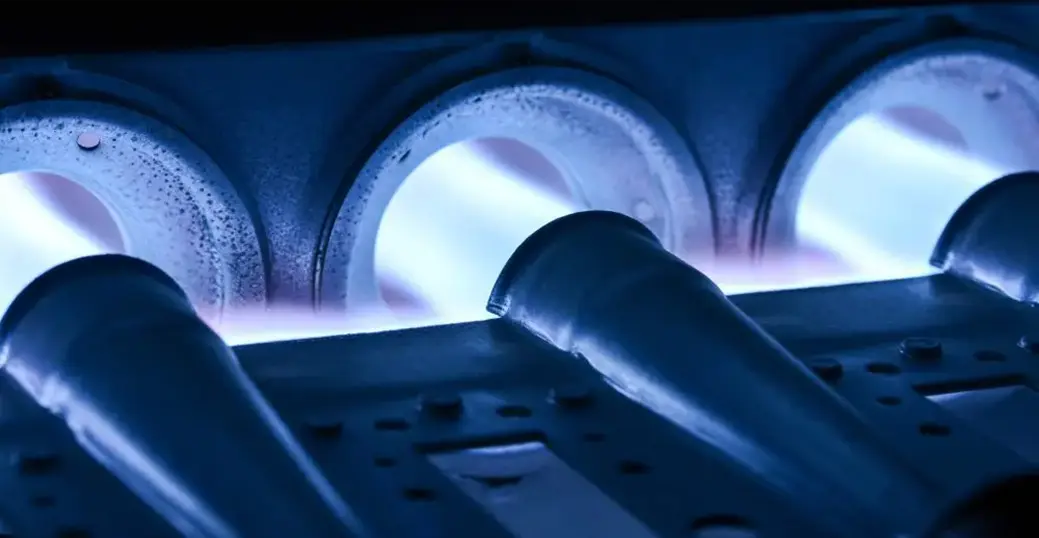
The two most common systems used to heat homes are either a natural gas furnace or a standard heat pump. Most people have an idea of how a furnace works but many don't understand how a heat pump works. To over simplify a heat pump; a heat pump is an air conditioner that can essentially work backwards.
In the summer time, the heat pump causes the indoor evaporator coil to get cold while the outdoor condenser coil section gets hot. In heat mode, a heat pump reverses the process so the indoor coil section gets hot and the outdoor coil gets cold. Standard heat pumps are very efficient in producing heat down to an outdoor temperture of about 40 degrees. At that point the efficiency really starts to fall.
Some heating systems utilize both a furnace and a heat pump. We commonly call this setup a dual fuel system. A dual fuel system will consist of a furnace and a heat pump utilizing one or the other depending upon the outdoor ambient temperature and heat demand being called. A dual fuel system can be very efficient.
Heat pumps and furnaces heat your home – but in different ways. When it comes to heating your home – you’ve got options. Depending on you're particular life style, unless you’re a seasoned pro understanding how to choose the proper system can feel overwhelming. Not to worry, we are here to help you make the right choice that fits your particular needs.
Installation Cost
Generally, even a good deal can cost you a good bit of money. However, if your home requires cooling, a furnace will need to be matched with an air conditioner. A heat pump can do both. All together, your home comfort costs may be less with a heat pump. Of course, unit costs will vary depending on the size and model selected for both.
Energy Efficiency
Gas furnaces can have a range of efficiencies ranging from 80% to 98% "Annual Fuel Utilization Efficiency". Standard heat pumps also have a range of efficiencies and operate very well until the outdoor ambient temperture drops below 40 degrees. At that point the ability of a standard heat pump to provide heat in an efficient manor starts to plumette. Infact as the outdoor ambient temperture drops, the heat pump will loose its ability to provide adequate heat and will usually cause an auxilary electric heat source to kick in which can get expensive to operate.
Do You Have Existing Ductwork?
This is the main decision maker for most people. If you have ductwork in your home already, it will be more cost effective to stay with a central system.
Air Quality
Since heat pumps don’t use combustion, they don’t produce any harmful greenhouse gas emissions. This is becoming more and more important and some communities are even instituting local regulations insisting on lower-emission heat sources. Recent advancements have made many furnace models more energy efficient and lower their impact on the environment.
Comfort
The heat produced by gas furnaces feels warmer compared to heat pump. In general, the air from a heat pump isn’t as warm as what you get from a gas furnace. It’s still warming your home, but it “blows at a lower temperature.” Some people don’t like that. In contrast to the hot and dry air of a furnace, heat pumps circulate air that’s naturally humid – so they may not cause your home to feel as dry as a furnace.
Lifespan And Maintenance
A gas furnace generally has a longer lifespan than a heat pump. Furnaces with proper maintenance can last 20 years or more. A heat pump, like an air conditioner, more commonly has a lifespan of about 15 years. Since a gas furnace is only used for a few months out of each year, the maintenance requirements are less than those for a heat pump. A gas fired furnace also has fewer mechanical parts than a heat pump, meaning fewer things that can break down or malfunction.
More questions? We’re Here for You!
While this just a general guide, it’s always best to talk to a heating and cooling professional to make sure you’re getting all the facts as they relate to your exact home.
Whichever system you’re leaning towards, we’ll make sure you get one that’s matched to your needs and will get you the level of comfort control you are looking for.
Service & Repairs
Maintenance
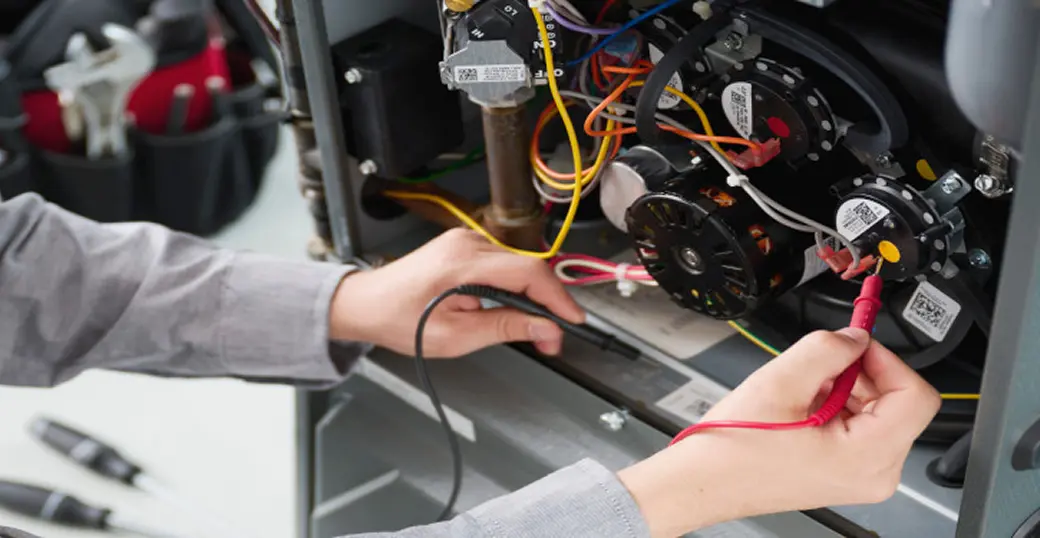
Air conditioner and furnace maintenance can be easily overlooked, but it should be a priority for every homeowner. In fact, equipment manufacturers recommend maintenance yearly in order to keep air conditioners and furnaces running smoothly and efficiently.
The best time to schedule air conditioner maintenance is in the spring, before you need to use your cooling system and just before the fall for your furnace; this way, your system is tuned up and prepared for summer and winter, and you can address any equipment issues in advance instead of suffering without cooling when temperatures rise or heating when temeratures drop.
Repairs
When it comes to air conditioning and furnace repair, being proactive about spotting trouble signs can save you from discomfort. These issues are signs you’re likely due for a furnace or air conditioning repair, so if you notice them, call us sooner than later.
- Noisy operation
- No cooling or heating
- Lack of airflow
- High energy bills
Benefits of Service
Having a HVAC professional stop by yearly can prove to be very crucial. If you wait until something goes terribly wrong, you could be making a very expensive mistake. Air conditioners and furnaces, like any other mechanical equipment, require regular maintenance and proper care.

Reduced Repair Costs
Longer System Life
Decreased Energy Costs
Improved Air Quality
Maintaining Safety
Constant Home Comfort
Installation

Installation
Whether it's a high tech communicating comfort system or a basic comfort system, we do that. And we do it well. Choosing a reliable installer is so important. If your new heating or cooling system isn’t installed correctly, it won’t operate at its expected efficiency level, costing you more money. Faulty installation can also place more stress on the system, leading to frequent repairs and early system failure.
Many systems fail prematurely due to improper installation. You can buy any system, but if the blower settings, gas pressures, static air pressures, high and low voltage wiring, fuse sizes, a precision refrigerant charge, airflow, water drainage, gas piping, intake air, exhaust system, thermostats and other items aren’t set up correctly, you’ll find your new system not lasting nearly as long as it could have. It can be the difference of your system lasting 10 years or lasting 20 years.
Replacement
When choosing a new furnace or air conditioner replacement, there are many factors you need to evaluate to make sure you’re getting the right fit for your family and home.
- You need a unit that is properly sized for your home; if it’s too big or small, it won’t work efficiently.
- Efficiency is an important factor that contributes to the initial cost of the unit, as well as operating costs over the course of its service life.